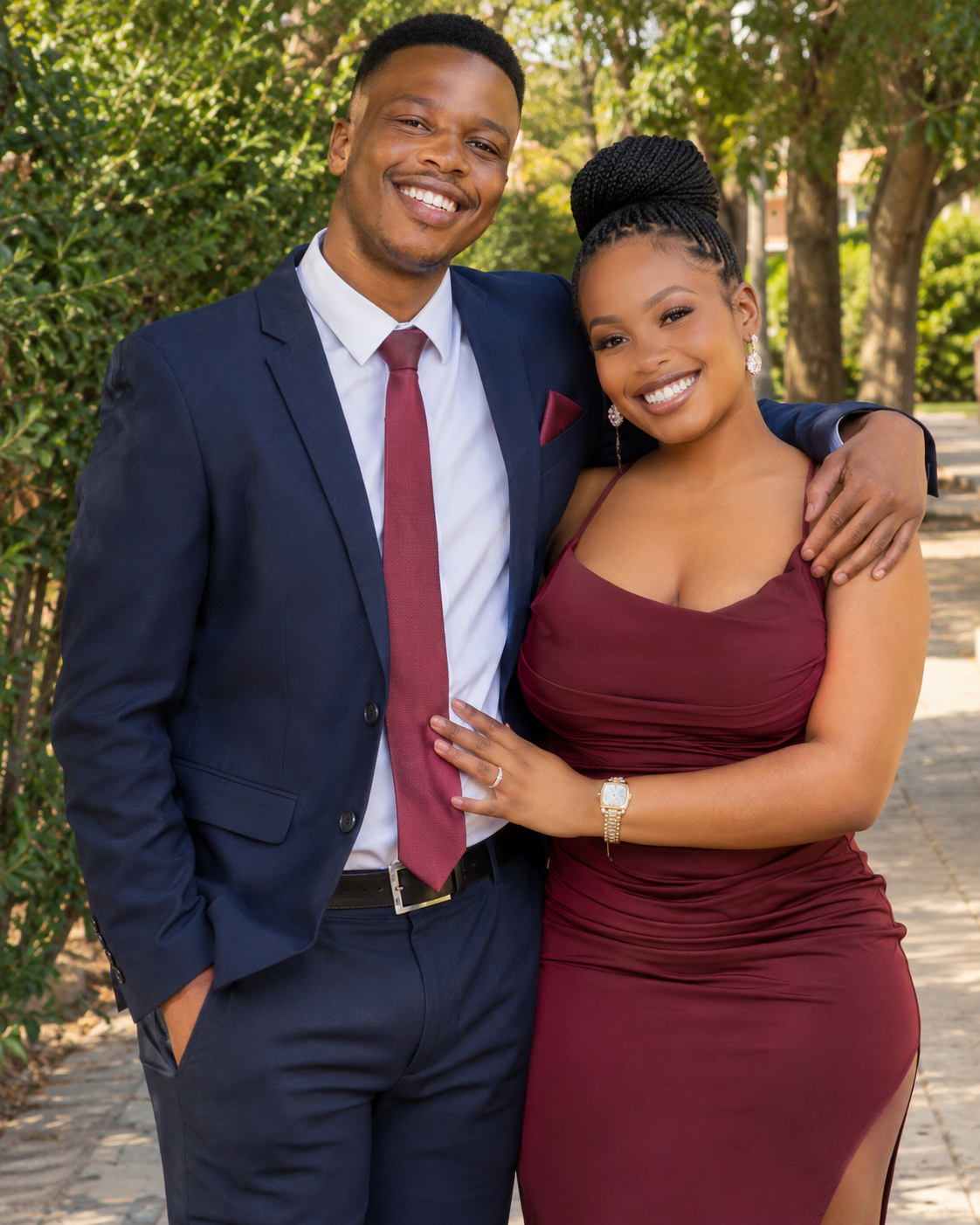
Verified WaBanja Couple
Nerissa Bellamy & Oswin Hartwell
The Mug That Would Not Stand Up
Location
 Perth, Australia
When They Met
Matched on WaBanja
Milestone
Dating
Reading Time
~6 min read
“I brought a notebook to our third date. Oswin still mentions this when I accuse him of overpreparing for a weekend away.”
I brought a notebook to our third date. Oswin still mentions this when I accuse him of overpreparing for a weekend away.
In my defence, it was a pottery lesson. There were tools, instructions and a person being paid to explain what we were supposed to do. A notebook seemed entirely reasonable. What Oswin found funny was that I had already written the date at the top of a clean page and drawn two straight lines underneath the title.
At the time, I was managing a small team and covering a vacancy that should have been filled months earlier. Most days were an exercise in moving one unfinished thing to make space for another. I had joined WaBanja because I wanted something in my life that was not work. Almost immediately, I started approaching it as though I had been assigned another project.
I knew when I would answer messages. I knew which evenings I could meet someone. I had a fairly sensible list of what I wanted and a less sensible belief that being organised would protect me from disappointment. Oswin's profile did not disrupt the list. His messages disrupted the schedule, mostly because I kept wanting to reply when I had promised myself I would put my phone away.
He wrote about trying to make a mug that stood up straight. I asked how the project was going. He said the latest version was suitable for a very small cactus, provided the cactus was not particular about its accommodation. I asked whether he was serious. He sent a description of the mug that persuaded me he was. That was the first time I laughed aloud at my kitchen table that week.
Our first meeting was after work, in a café near the centre of town. I told him at the start that I could stay for an hour. He said that was fine. Fifty-five minutes later, he asked whether I wanted him to finish his story or save the ending for another day. I had forgotten about the time. He had remembered, without making my limit sound like an insult.
On the second date we walked through a market. He asked before taking my hand. I noticed how relieved that simple question made me. Dating had sometimes felt like being carried along by somebody else's confidence. With Oswin, I could say yes because I wanted to, rather than because declining would make the afternoon awkward.
Then I found the pottery lesson and booked two places after asking him whether he wanted to come. It seemed a good choice: something to do, a shared interest, no pressure to keep conversation moving for two uninterrupted hours. I arrived determined that we would produce at least one piece worth keeping. Oswin arrived with an apron he had borrowed from his brother. It said “This is not my day job.”
We did not produce a piece worth keeping. We made two lopsided objects the instructor described as promising, though I suspect she was being kind. I used too much water, Oswin pressed too hard, and we spent too long discussing whether a handle was strong enough. At one point, he tried to lift his mug before checking that it was free of the board. The handle came away in his hand. He held it up and said we had at least completed that part.
I wanted to start again. There was time, I thought, if we worked quickly. Oswin looked at my notes, then at the clay, and said, “Would you mind if we were bad at this for another ten minutes?” I almost snapped at him. Instead I asked what he meant. He said he was enjoying himself, but he was not sure I was allowing myself to do the same.
That was not a comfortable thing to hear from somebody I liked. I went quiet while the instructor rescued another table's collapsing bowl. Then I admitted that I hated being visibly bad at something. Oswin said he could usually manage being bad at making things, but he found it difficult to tell people when he was having a hard week. We had both brought a useful skill and an unhelpful habit into the room.
Afterwards, we bought sandwiches and sat on a bench outside. I put the notebook in my bag. We did not discuss whether the evening had been a successful date. We talked about the strange pressure to become a more impressive version of yourself whenever you wanted someone to like you. Oswin said he had nearly claimed to enjoy running in his profile. I confessed that I had nearly written “spontaneous.” We agreed that this would have been misleading for everybody involved.
There were more dates, and there were ordinary obstacles. I worked late twice when I had promised I would not. Oswin once went quiet instead of telling me a family matter had left him distracted. We did not handle every disappointment well. What changed was that we began saying what had happened before deciding what it meant about the relationship.
When I told him I could not fit everything into a week, he stopped suggesting that I simply needed to relax. He asked what could be moved and what could not. When he admitted he did not want to talk one evening, I stopped treating silence as a puzzle I had to solve. We became less efficient at dating and better at being together.
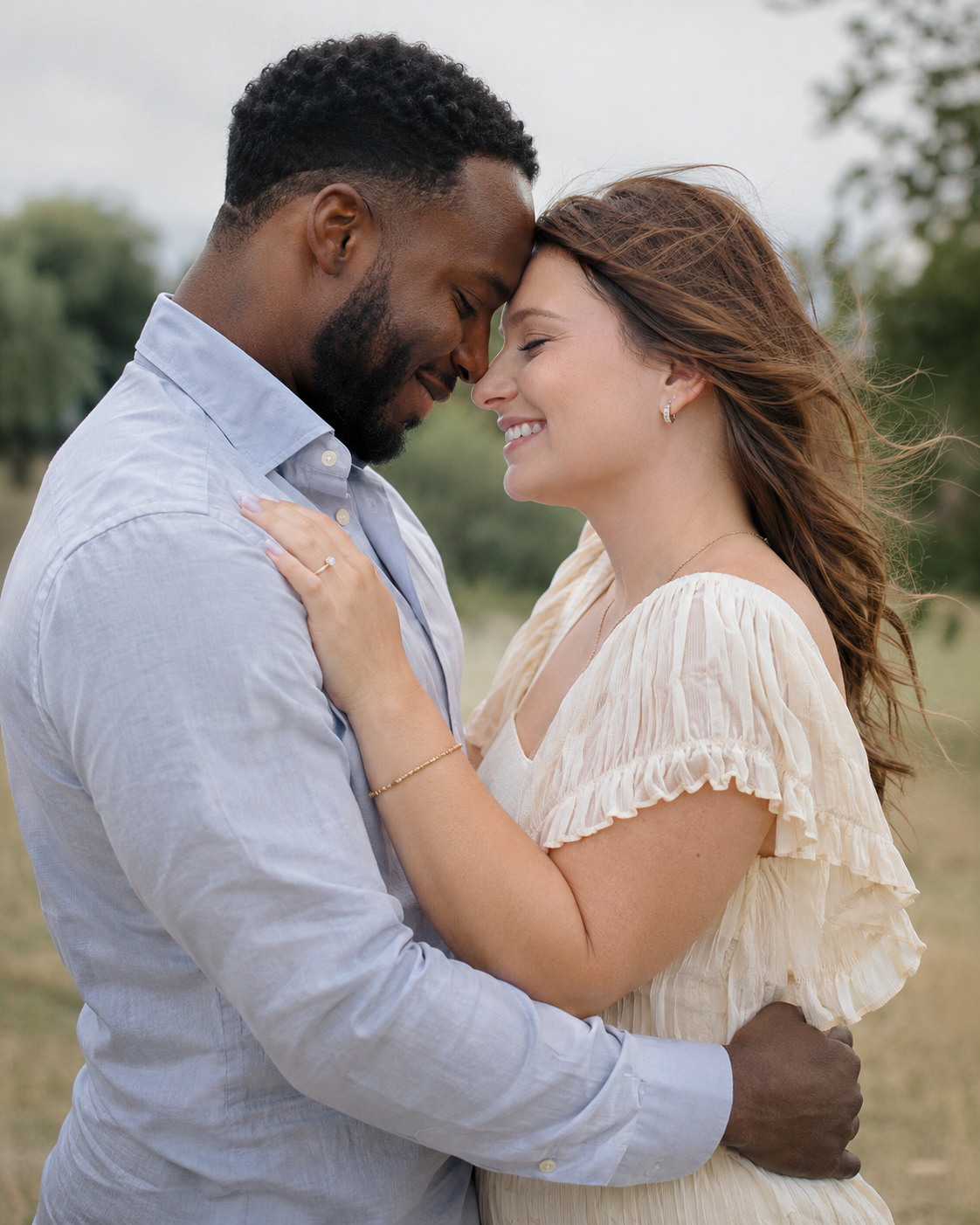
The photograph by the wooden rail came much later, during a weekend when the only firm plan was lunch. I wore the floral dress because the weather was warm, not because there was an occasion. Oswin had a list in his pocket, which delighted me. It contained three things: bread, batteries and a reminder to ask me whether I wanted to stop for ice cream.
I still use notebooks. He still enjoys making things he cannot quite explain. We have two mugs from a later lesson on a kitchen shelf. Mine holds tea. His holds a small cactus. He says the arrangement allows both objects to fulfil their potential. I have stopped asking him to make a straight one.