Verified WaBanja Couple
Rina Velardi & Alden Chirwa
Before We Knew Where Next Year Was
Location
 Lilongwe, Malawi
When They Met
Matched on WaBanja
Milestone
Engaged
Reading Time
~3 min read
“Rina had returned to Lilongwe with a suitcase, a short contract and a sentence she used whenever anyone asked about her plans: she was home for the moment.”
Rina had returned to Lilongwe with a suitcase, a short contract and a sentence she used whenever anyone asked about her plans: she was home for the moment. It was a useful answer because it sounded definite without making a promise. After several years away, she was pleased to be near people she knew, but she did not want to be introduced everywhere as somebody who had finally come back for good. She was still deciding what good might look like. Meeting Alden complicated the decision in a way she had not prepared for.
Alden was less settled than he appeared. His work was steady enough to describe simply, but a possible new project might take him away for several months. He had not mentioned it prominently on WaBanja because there was no actual offer to discuss. His profile instead contained a photograph from a day beside the water and an admission that he packed too much food for short outings. Rina asked what counted as too much. He described a bag that had required its own seat. She said this sounded less like a flaw than a useful qualification.
Soon after they started meeting in person, the new project was delayed, then seemed likely, then changed dates again. Alden found the uncertainty embarrassing and began hedging every sentence. Rina told him she did not require a forecast—she only wanted to know whether he was making decisions about them while keeping her outside the discussion.
What she needed was straightforward: to know they were dating intentionally, that changes affecting their plans would be discussed, and that neither would demand promises they could not honestly make. He agreed, asking only that his willingness to travel for work not be read as a lack of care. Saying it plainly meant neither had to guess.
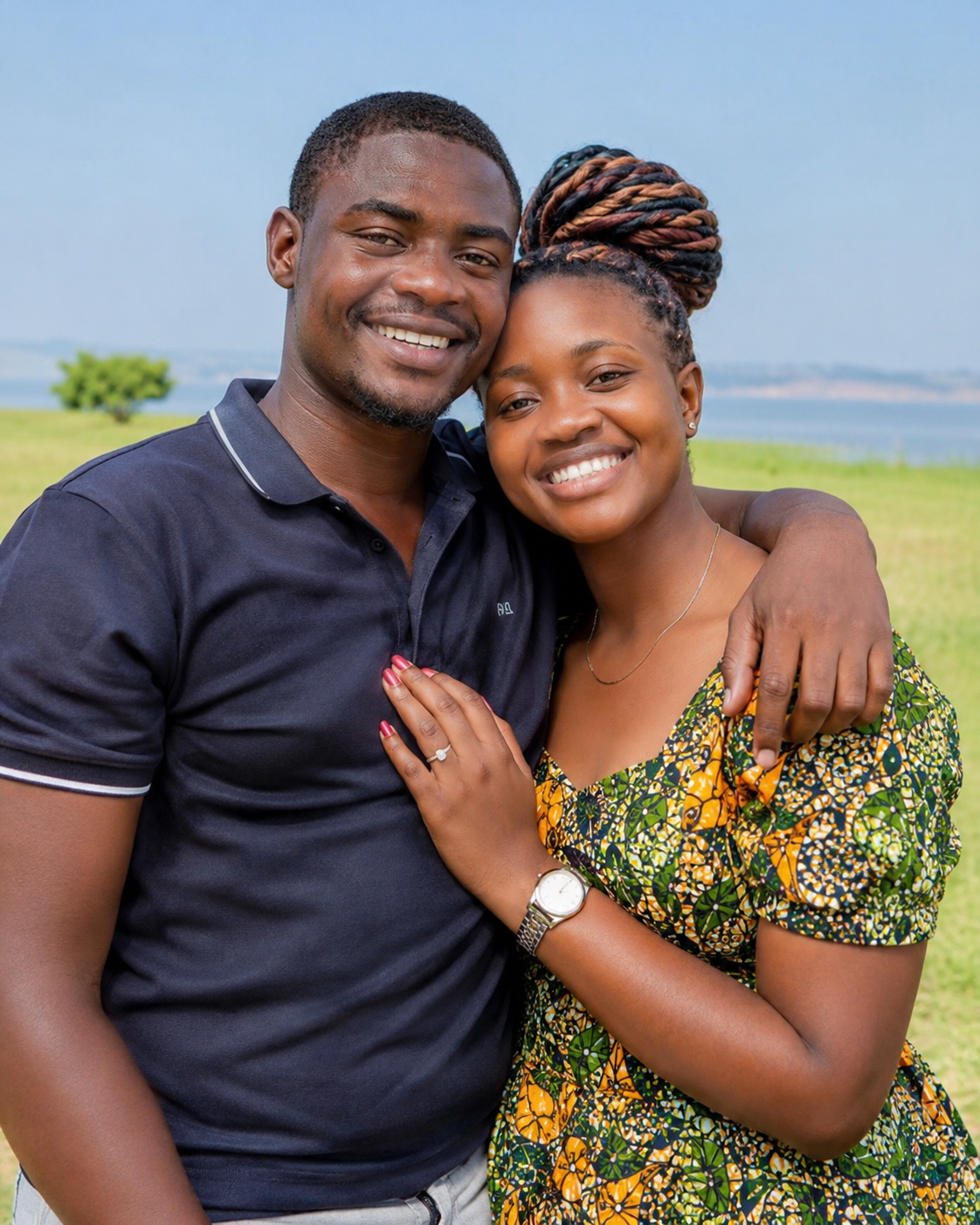
The photograph beside the water was taken during a relaxed outing with friends. Alden wore the navy polo shirt Rina liked; she chose her patterned dress and put her braids up before the day became warm. He had, predictably, brought too much food. Someone asked them to move closer, although there was little space left between them. They look untroubled in the picture. They were happy that day, but they would both object to turning one happy afternoon into a claim that their lives had become uncomplicated.
Next year is still a conversation. There may be work elsewhere, further study or another practical change neither has considered yet. Rina no longer says “for the moment” quite so defensively. Alden no longer waits for perfect certainty before sharing imperfect information. When they talk about the future, they can describe what they hope for without pretending it has already happened. For now, there is a person to come home and tell, a familiar hand against a shoulder, and enough food in the bag for whoever joins them. They have found those things substantial enough to build from.