Verified WaBanja Couple
Celandine Wren & Ansel Duarte
A Question at the Fifth Gate
Location
 Lisbon, Portugal
When They Met
Matched on WaBanja
Milestone
Dating
Reading Time
~5 min read
“On our first walk, I explained how pedestrian bridges were supported. Celandine had not asked. We had simply reached one, and I was so anxious about a silence that I filled it with a fact I happened to know.”
On our first walk, I explained how pedestrian bridges were supported. Celandine had not asked. We had simply reached one, and I was so anxious about a silence that I filled it with a fact I happened to know. Halfway through my explanation I realised what I was doing. I stopped and said, “I am trying quite hard not to make this awkward.” She leaned on the railing, looked at the water below and said, “Then let us have an awkward minute and get it out of the way.”
We had met through WaBanja a few weeks earlier. Her profile contained a line about having opinions on public benches. I asked what made a good one. She answered that it should face something worth looking at and should not require its occupants to become friends with every pigeon in the district. That reply gave me a much easier subject than my usual opening question about work. We talked about small places in the city, badly designed bus stops and a bakery neither of us could visit without buying too much.
In messages, I could consider a sentence before sending it. In person, I often discovered what I meant after I had already said something else. Celandine was not instantly comfortable either. Later she told me she had chosen a public walking route because facing a stranger across a table made her feel interviewed. We agreed on a short route in daylight, arrived separately and told each other we could finish whenever we needed. Being allowed an ending made the beginning less difficult. We walked farther than planned, although neither mentioned that until much later.
The awkward minute on the bridge was not silent. A child somewhere behind us dropped a snack, somebody's dog objected to a bicycle, and a man asked whether we knew where the toilets were. Real life was remarkably uninterested in helping me create the perfect date. Celandine answered the man, then asked what I enjoyed about my work when I was not explaining bridges to people who had not requested a lesson. I gave her an ordinary answer. She listened to it. The afternoon improved considerably.
There were five walks before we discussed what was happening between us. The second was around a public garden. We arrived with different ideas of how long “a little while” might be, so we learned to be specific. The third ended early because I had agreed to help my neighbour carry a cupboard and had underestimated how strongly cupboards resist staircases. I did not invite Celandine to prove anything by assisting. I told her I needed to leave. She appreciated the directness and found something else to do with her afternoon.
By the fourth walk, the pauses were no longer emergencies. We could stop to read a notice or watch someone attempt a complicated parking manoeuvre without immediately turning it into a conversation about ourselves. I liked her company most during those unclaimed minutes. She did not insist that everything become entertaining. At the same time, I wondered whether we were becoming friends who took walks because neither knew how to stop. I continued to be warm and deliberately uninformative about my feelings, which I now understand is an excellent way to prolong confusion.
Our fifth route passed a series of gates along the edge of a park. I had counted them on the way there because nervous people need hobbies. At the fourth gate, Celandine stopped and said she wanted to clear something up. I prepared myself for a kind speech about friendship. Instead she asked whether I was interested in dating her, because she was interested in dating me, and she did not want to mistake friendliness for an agreement. There was nothing theatrical about it. She sounded sensible, with a slight edge of impatience.
I said yes so quickly that she laughed. Then I told her I had been afraid of making her uncomfortable. She said being asked a respectful question would have been easier than being invited on an indefinite sequence of walks. It was the first useful disagreement of our relationship. My intention had been considerate; its effect had been evasive. Once I understood that difference, I could apologise without defending the good person I had hoped to be. We sat down on a bench that failed two of her original standards and discussed an actual date.
We still walk. Sometimes we talk about what is happening at home or work; sometimes one of us needs to complain and the other needs to avoid offering a solution in the first thirty seconds. We have learned that being listened to is not the same as being agreed with. Celandine will tell me when a plan sounds impractical. I will tell her when she has scheduled a weekend with no room to sit down. Neither of us enjoys hearing it immediately. Usually, after a while, we are grateful.
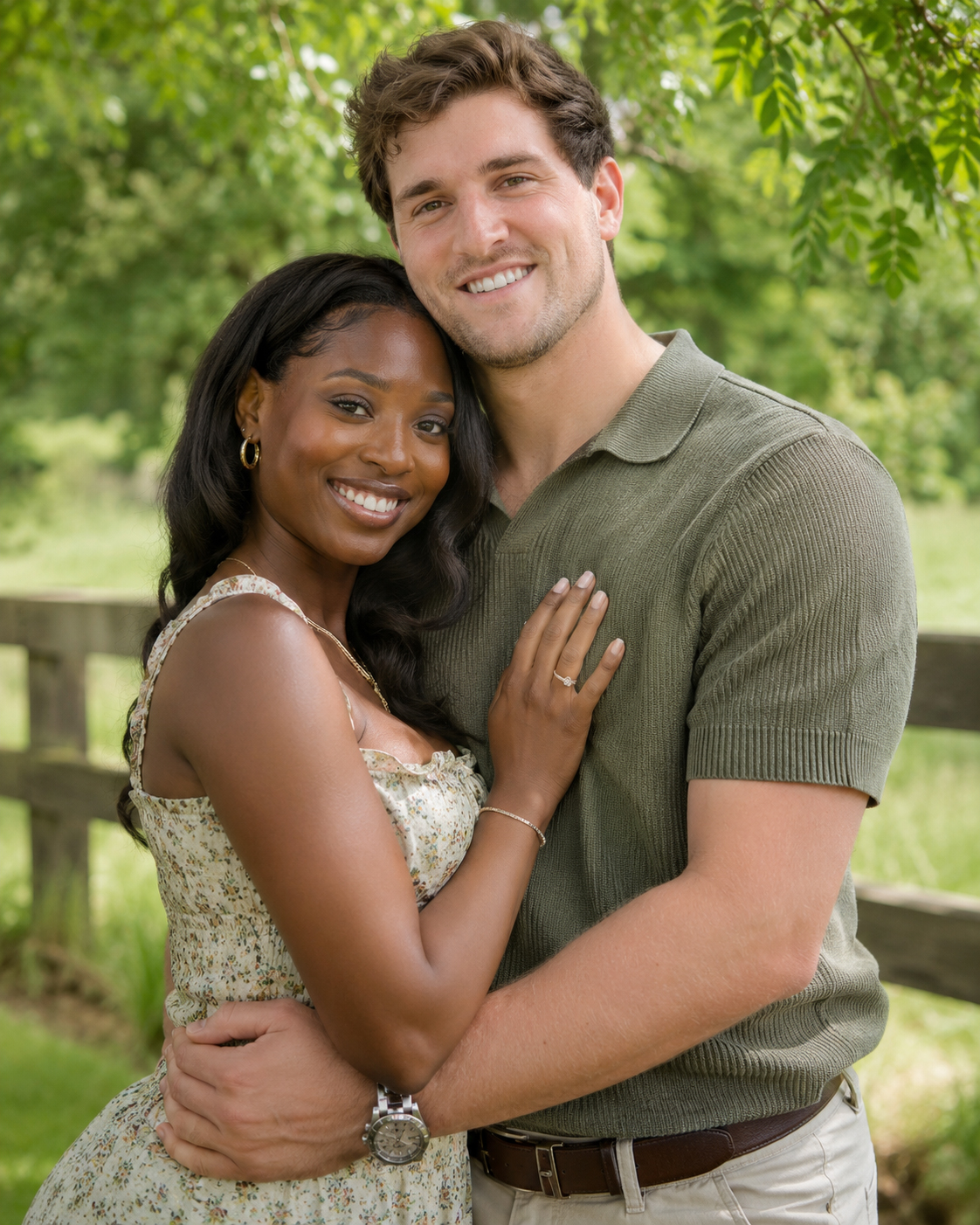
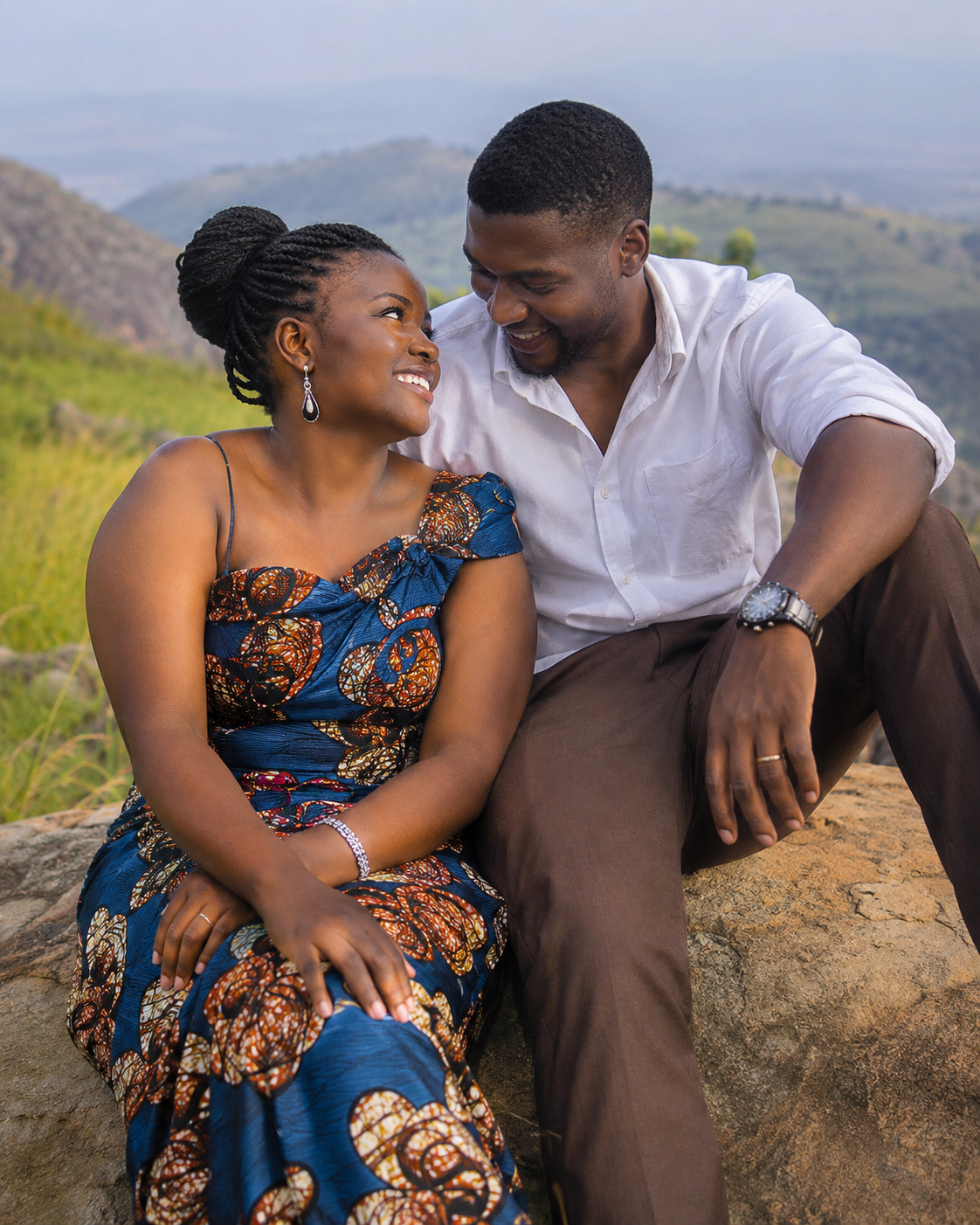
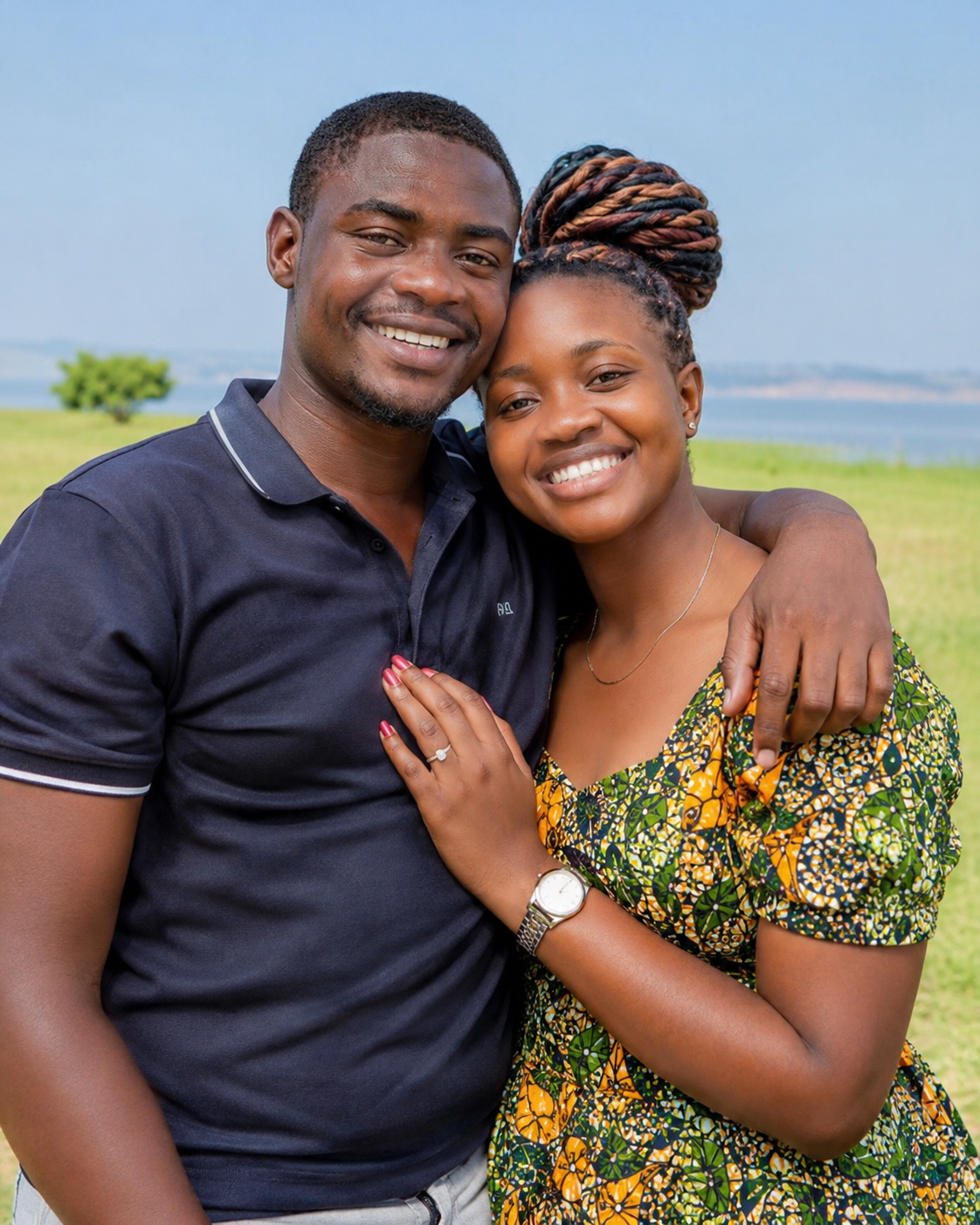
In the photograph, she is holding my arm while we walk beside a railing, and I am looking down at her instead of at the path. My green shirt was chosen because she said I wore grey as though somebody were paying me. Her rust-coloured outfit caught the afternoon light. A friend took the picture while we were arguing, very mildly, about where to eat. There was nothing undecided about us by then. We had finally learned that the next question could be asked plainly, and that the answer was something we could handle together.